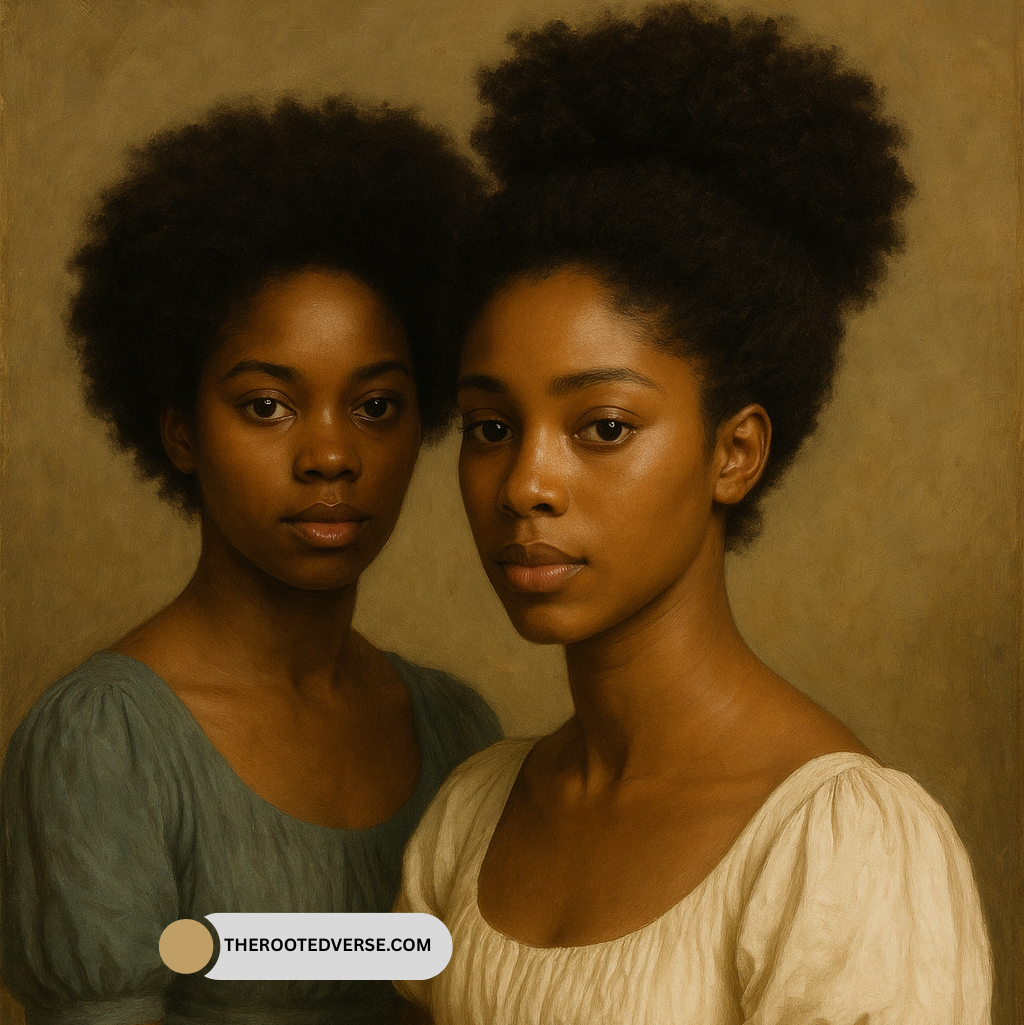
In every culture, memory lives not just in monuments or museums but in the stories passed from one generation to the next. These stories are not always written in books. Sometimes they are carried in names, songs, recipes, rituals, or even silence. For African and African diasporic communities, storytelling has long been more than a means of communication. It has been a method of survival, resistance, and reclamation. It is through storytelling that cultural memory is kept alive, and in this digital age, that tradition is evolving in powerful and visible ways.
Memory as Resistance: The Legacy of the Griot
In many West African cultures, griots were seen as walking archives. These oral historians and musicians held the genealogies, traditions, and spiritual stories of entire communities in their minds. They preserved collective memory with accuracy and performance, ensuring that the past would never be forgotten.
A prominent example from history is Amadou Hampâté Bâ, a Malian historian and ethnologist who famously said, “In Africa, when an old man dies, a library burns.” His life’s work was dedicated to preserving oral tradition, and his writing helped document centuries of cultural memory that colonial archives had ignored.
Griots preserved cultural truth when imperial systems tried to erase it. In the Americas, the tradition of oral storytelling transformed into spirituals, folktales like Br’er Rabbit, and coded language used along the Underground Railroad. In every context, storytelling was a way to say we are still here.
The Harlem Renaissance: Rebirth Through the Written Word
In the 1920s and 30s, the Harlem Renaissance became a literary and artistic movement that reclaimed cultural memory through Black voices telling Black stories. Writers like Zora Neale Hurston studied folklore in the American South, preserving stories that had survived through slavery and migration. Her novel Their Eyes Were Watching God reflects not just fictional characters but the deep oral traditions of Black communities.
Langston Hughes, through poetry and prose, chronicled the everyday beauty, pain, and resilience of Black life. His work was storytelling with soul, rooted in memory, music, and migration. Harlem became the new village, and Black art became the archive.
Modern-Day Storykeepers: Digital Griots and Cultural Curators
Today, storytelling takes many forms. In the digital age, the new griots are poets, artists, historians, curators, and creators who use online platforms to preserve and share culture.
Dr. Jessica B. Harris, food historian and author of High on the Hog, has traced how African foodways shaped American cuisine. Through her work and the Netflix adaptation, millions were introduced to the historical roots behind dishes like okra stew, black-eyed peas, and jollof rice. Every recipe became a story. Every ingredient, a thread in the larger narrative of displacement and adaptation.
On social media, creators like Hannah Azieb Pool and The Black Archives share cultural history through images, quotes, and family stories that might otherwise be forgotten. These digital storytellers honor the past while building accessible archives that educate and inspire.
The work of Black archivists, historians, and culture writers is shaping how memory is documented in real time. These platforms do more than share information. They foster collective remembrance, bridging the personal and the political, the ancestral and the contemporary.
Preserving What Cannot Be Googled
In a world where algorithms reward speed and virality, storytelling rooted in memory asks for something slower, deeper, and more intentional. It invites communities to remember not just facts but feelings. It asks people to archive not just what happened but what it meant.
Some stories may never trend, but they hold the truths of a people. A grandmother’s funeral song. A Yoruba or Ewe proverb. A childhood game played under a mango tree. A letter written from a city that no longer exists. These are not just fragments. They are heritage.
Conclusion: The Future of Cultural Memory
The work of remembering is sacred. It is also ongoing. Cultural memory must be preserved not only through formal institutions but through everyday storytelling. Through writing, sharing, archiving, and honoring.
From the griots of Mali to Zora Neale Hurston, from Jessica B. Harris to today’s digital curators, the tradition continues. This is not just nostalgia. This is legacy.
Cultural memory is how identity survives displacement. It is how Black communities continue to rise, reclaim, and reimagine. In an age of vanishing attention, choosing to remember and choosing to share becomes an act of care and cultural protection.
Somewhere between oral tradition and digital expression, the story continues.
Written by: Aisha O. Balogun, For The Rooted Verse
Instagram: @TheRootedVerse | @AishaOBalogun
X: @TheRootedVerse
 The Rooted Verse
Leave a comment