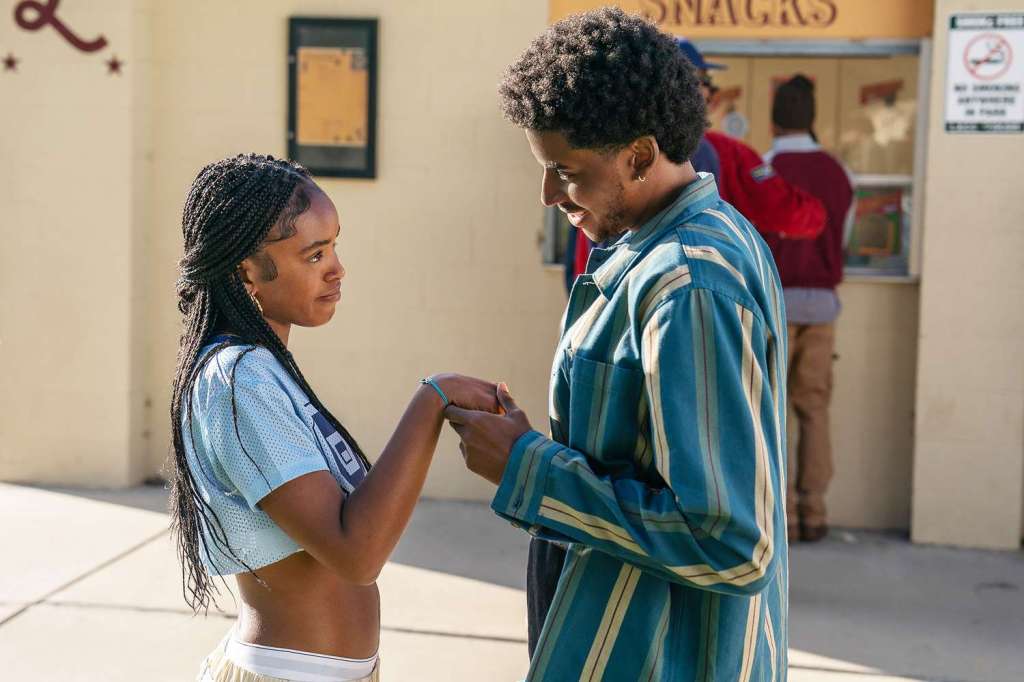
(How Forever on Netflix Becomes a Case Study in the Beauty and Complexity of Black Culture).
Streaming platforms have become the new griots. They archive our stories, amplify our voices, and reflect our communities back to us in ways that challenge, affirm, and inspire. One such story that has quietly bloomed into something powerful on Netflix is Forever, a modern reimagining of Judy Blume’s 1975 novel. This version centers Black love, Black identity, and Black culture at its heart.
More than a coming-of-age drama, Forever is a cultural mirror. It is a case study in what it means to grow up Black, brilliant, and beautifully complex in a world that often struggles to see us whole.
The Setting: A Love Letter to Black Los Angeles
Set in South Los Angeles, Forever is not just about Keisha and Justin. It is about a place, a rhythm, and a culture. The series places Black life at the center. Crenshaw, Baldwin Hills, and Leimert Park are not just scenery. They are living, breathing characters. The show moves away from trauma-centered narratives and instead focuses on community, creativity, and care.
It highlights barbershops and beauty salons, skate parks, front porches, family gatherings, and the soft beauty of everyday life. It honors spaces where aunties gossip, fathers try their best, and young people fall in and out of love beneath golden California skies.
By doing this, Forever treats Black neighborhoods as sacred. Not because they are without problems, but because they are filled with life. These are places where generations have survived, created, resisted, and loved out loud.
The Characters: Exploring Young Black Identity
Keisha is a confident track star with a free spirit. Justin is a quiet, nerdy basketball player with a thoughtful heart. Their relationship is not just about romance. It is about discovery. Together, they explore what it means to love for the first time while still figuring out who they are as individuals.
Keisha challenges conventional ideas of what it means to be a young Black girl. She is bold but gentle, strong yet vulnerable. Justin gives us a refreshing version of Black masculinity. He is emotionally present, curious, and kind.
Their story becomes a reflection of how young Black people navigate expectation, ambition, uncertainty, and connection.
These characters are not written to be perfect. They are layered, flawed, evolving, and real. And in that honesty, Forever captures something rare. It reminds us that Black youth deserve the space to grow without always being symbols or cautionary tales.
The Culture: Sound, Style, and Spirit
Forever is soaked in culture. The soundtrack flows with music that shaped generations, from R&B and hip-hop to Afrobeats and soul. Each song sets the mood, evokes memory, and carries emotion.
The fashion is intentional. From gold hoops to vintage tees, from laid edges to natural curls, everything worn is an expression of identity.
Hair, language, family rituals, and spiritual gestures are treated with care. The show includes scenes with silk scarves, braids, kitchen conversations, and hallway glances that feel both intimate and familiar.
This is not diversity created for performance. This is lived Blackness. It is layered, specific, and lovingly presented.
The Themes: Storytelling as Soft Power
Forever explores themes that are both timely and timeless.
Consent and communication: The series addresses conversations around intimacy and self-awareness with honesty. It invites young people to express needs and boundaries without shame.
Mental health and vulnerability: The characters feel deeply. They cry, talk, reflect, and seek help. These moments are never framed as weakness but as strength.
The power of choice: At the heart of the story is agency. The right to choose your path, your partner, your timing, and your version of freedom. Forever teaches that love should not erase your sense of self. Instead, it should help you find it.
Why It Matters: Centering Joy and Growth
Representation is not just about showing Black faces. It is about showing full lives. Lives with rhythm, complexity, contradiction, and grace.
Forever reminds us that joy is not a luxury. It is part of the journey. Watching Keisha and Justin grow reminds us of our own soft beginnings, our own questions, and the people who shaped us when we were still learning how to shape ourselves.
It also tells young Black viewers something they do not hear enough. Your softness matters. Your curiosity matters. Your love story, no matter how it ends, is worth telling.
So, What Are You Watching?
You could be watching a teen romance. You could be watching a story about first love. But Forever offers much more.
You are watching Black culture unfold in gentle, everyday moments. You are seeing a new generation step into their own stories with pride, honesty, and vision. You are learning that tenderness, too, can be powerful.
So the next time someone asks, “What are you watching?”
Tell them you are watching healing.
You are watching honesty.
You are watching legacy in the making.
You are watching Forever.
—————
Written by Aisha O. Balogun
Cover Image Via ew.com
 The Rooted Verse